Creatine and PCOS: What Every Woman Needs to Know Before She Dismisses This Supplement
This post may contain affiliate links. That means if you click and buy, I earn a small commission. I do not recommend anything I would not put in my own body or hand to a client. That is just how I operate.
A research-backed, coach-led breakdown of the most misunderstood supplement in women’s health.
Let me be honest with you. When I first heard about creatine, I had the same reaction a lot of women do. I thought it was for men who wanted to bulk up. I pictured giant tubs of powder in a gym bag that belonged to someone who looked nothing like me.
I was wrong.
As a Certified Personal Trainer and a woman who has lived with PCOS, I have spent years studying what actually works for our bodies. Not what works for the general fitness population. Not what the supplement industry markets to everyone. What works specifically for women navigating hormonal conditions, insulin resistance, chronic inflammation, and a metabolism that does not respond the way it used to.
Creatine kept coming up. In research. In clinical conversations. In my own experience. And the more I dug in, the more I realized this supplement deserves a real conversation directed at women with PCOS.
So that is what this post is. A full, honest, research-backed breakdown of creatine and PCOS. What it is, how it works, what the research says, and what you actually need to know before you decide whether it belongs in your protocol.
What Is Creatine and Why Have You Probably Dismissed It

Creatine is a naturally occurring compound made in the body from three amino acids: arginine, glycine, and methionine.
Your body produces it primarily in the liver and kidneys, and about 95 percent of it is stored in your skeletal muscles.
You also consume small amounts of creatine through food, particularly red meat and fish.
Its primary function is to help your body regenerate ATP, which stands for adenosine triphosphate. ATP is the energy currency of your cells.
When you move, think, lift, sprint, or do anything that requires a rapid burst of energy, your cells burn through ATP at a fast rate. Creatine helps replenish that supply faster.
As Dan Go, a performance coach describes it: creatine acts as "a quick energy booster for our muscles and brain" and is one of the most thoroughly studied supplements in existence.
That is not an exaggeration. The International Society of Sports Nutrition has consistently affirmed creatine monohydrate as both safe and effective for most populations.
The reason women, especially women with PCOS, have largely been left out of this conversation is not because creatine does not apply to us. It is because most supplement research has historically been conducted on young men. That is changing. And the new data is compelling.
Ready to build a supplement and fitness protocol that is designed for your body? The ARKEĒN Body Guide includes a complete hormone-aware supplement framework for women. Download it at arkenfitness.com/store.
PCOS 101: Why Your Metabolism and Hormones Play by Different Rules
Before we talk about what creatine does for PCOS, let us quickly ground ourselves in what PCOS actually is, because the fitness and wellness industry routinely oversimplifies it.
Polycystic Ovary Syndrome affects an estimated 1 in 10 women of reproductive age, making it one of the most common hormonal disorders in the world. But PCOS is not just a reproductive condition. It is a whole-body metabolic disorder. It affects how you process food, store fat, manage energy, regulate blood sugar, and respond to stress.
The three primary drivers of PCOS symptoms are:
Insulin resistance: Up to 80 percent of women with PCOS have some degree of insulin resistance. This means your cells do not respond efficiently to insulin, which causes blood sugar to spike and crash, drives cravings, contributes to weight gain especially around the midsection, and makes fat loss significantly harder than it is for women without PCOS.
Chronic low-grade inflammation: PCOS is linked to systemic inflammation that disrupts hormonal signaling, worsens fatigue, and contributes to conditions like acne, hair loss, and irregular cycles.
Androgen excess: Higher than normal levels of androgens, particularly testosterone, drive many of the most visible symptoms of PCOS including acne, unwanted hair growth, thinning scalp hair, and cycle irregularity.
Understanding these three drivers is important because creatine has the potential to address at least two of them in meaningful ways.
What the Research Says: Creatine and PCOS Specifically
I want to be transparent with you here. There are not yet large-scale randomized controlled trials conducted specifically on creatine supplementation in women with PCOS. The research gap is real and it is one of the ongoing frustrations in women’s health science.
What we do have is strong mechanistic evidence and growing research on women broadly that makes the case for creatine being a net positive for PCOS management when used appropriately.
Creatine and Insulin Sensitivity
This is the most directly relevant benefit for women with PCOS. Research published in the journal Medicine and Science in Sports and Exercise found that creatine supplementation improved glycogen synthesis and glucose uptake into muscle cells. Because insulin resistance in PCOS is largely a problem of muscles not absorbing glucose efficiently, anything that improves that uptake mechanism is meaningful.
When your muscles use glucose more effectively, your pancreas does not have to produce as much insulin. Lower circulating insulin means less androgen stimulation from the ovaries, which can support hormonal balance over time.
Reference: Lanhers C, et al. (2017). Creatine Supplementation and Lower Limb Strength Performance. Sports Medicine. | Gualano B, et al. (2011). Effects of creatine supplementation on glucose tolerance and insulin sensitivity. Amino Acids.
Creatine and Muscle Preservation
Women with PCOS frequently struggle with body composition, not just weight. Because of insulin resistance and elevated androgens, the body tends to store fat and lose muscle at an accelerated rate, particularly as we move into our 30s and 40s.
Creatine supplementation combined with resistance training has been consistently shown to increase lean muscle mass more than resistance training alone. More lean muscle means a higher resting metabolic rate, better insulin sensitivity, improved glucose regulation, and a body that burns energy more efficiently around the clock.
For women with PCOS who feel like their metabolism is working against them, building and preserving muscle is one of the most important things they can do. Creatine supports that goal directly.
Reference: Rawson ES, Volek JS. (2003). Effects of creatine supplementation and resistance training on muscle strength and weightlifting performance. Journal of Strength and Conditioning Research.
Creatine and Cognitive Function
Brain fog is one of the most commonly reported but least discussed symptoms of PCOS. Fluctuating blood sugar, hormonal disruption, poor sleep quality, and elevated cortisol all contribute to the mental fatigue many women with PCOS describe.
Research has shown that creatine supplementation improves memory, processing speed, attention, and short-term reasoning, particularly under conditions of metabolic stress or sleep deprivation. A 2003 study published in Psychopharmacology found measurable improvements in memory and intelligence test scores in participants who supplemented with creatine.
Given that PCOS creates a near-constant state of metabolic stress for many women, this benefit is not a nice-to-have. It may be a meaningful quality of life improvement.
Reference: Rae C, et al. (2003). Oral creatine monohydrate supplementation improves brain performance. Psychopharmacology.
Creatine and Inflammation
Emerging research suggests creatine may have mild anti-inflammatory properties, particularly by reducing markers of oxidative stress. Because chronic inflammation is one of the three core drivers of PCOS symptoms, this is an area worth watching as the research develops.
While creatine alone is not an anti-inflammatory treatment, pairing it with an anti-inflammatory nutrition foundation, which is central to the ARKEĒN approach, amplifies the overall hormonal benefit.
Reference: Rahimi R. (2011). Creatine supplementation decreases oxidative DNA damage and lipid peroxidation induced by a single bout of resistance exercise. Journal of Strength and Conditioning Research.
The ARKEĒN PCOS Grocery-to-Meals Guide pairs an anti-inflammatory nutrition foundation with practical, blood-sugar-friendly meal planning. Get it now at HERE!
What About the Myths: Will Creatine Make You Bulky, Cause Hair Loss, or Worsen Androgens?
These are the questions I hear most often. Let me address them directly.
Will creatine make me bulky?
No. Creatine does not create muscle out of nothing. It supports the body’s ability to build and preserve muscle when combined with resistance training. The initial weight gain some women experience is intracellular water retention, meaning your muscles hold more water, not fat. This typically ranges from one to two kilograms and is not the same as gaining body fat. For most women, it is not visually noticeable and resolves as the body adjusts.
Does creatine cause hair loss?
This concern stems from a single 2009 study on college rugby players that found creatine supplementation increased levels of DHT, a hormone linked to hair follicle sensitivity. The study was small, conducted on men, and has not been replicated in larger populations. Current consensus from the International Society of Sports Nutrition is that creatine does not cause hair loss in healthy individuals. Women with PCOS who are already managing androgen-related hair thinning should discuss creatine with their physician as a precaution, but the evidence does not support avoiding it outright.
Will creatine raise my testosterone or worsen my PCOS hormones?
There is no credible evidence that creatine supplementation raises testosterone or worsens androgen levels in women. In fact, by improving insulin sensitivity and supporting lean muscle mass, creatine may indirectly support better hormonal balance over time.
Recommended Dosage for Women with PCOS
Based on current research and the guidelines I use within the ARKEĒN program, here is what I recommend for women with PCOS:
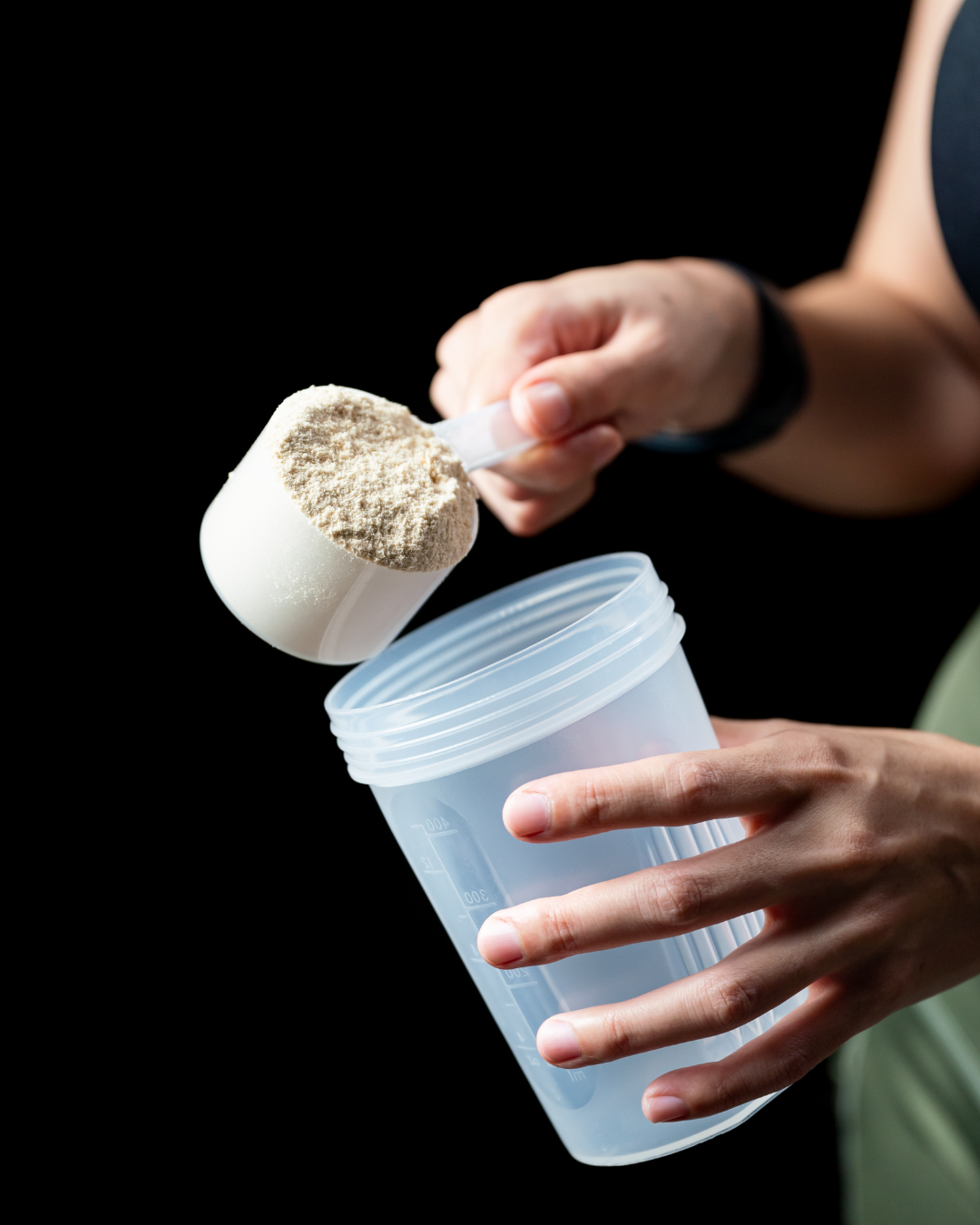
Form: Creatine monohydrate only. It is the most researched form and the only one with a substantial body of evidence behind it. Avoid proprietary blends or creatine ethyl ester.
Dose: 3 to 5 grams daily. This is the standard evidence-based maintenance dose. Some research, including emerging work by performance coach Dan Go, suggests that doses up to 10 to 15 grams may yield additional benefits for larger individuals or those under high metabolic stress, but for most women starting out, 3 to 5 grams is the appropriate starting point. You should always consult a licensed medical professional before adding any supplements to your diet.
Loading phase:Optional. A loading phase of 20 grams per day divided into 4 doses for 5 to 7 days can saturate your muscles faster, but it is not required. It may increase the likelihood of gastrointestinal discomfort. I typically recommend skipping the loading phase and simply taking 3 to 5 grams daily consistently.
Timing: Research suggests taking creatine post-workout with a protein and carbohydrate source may improve uptake, but consistency matters more than timing. Take it at whatever time you will actually remember to take it daily.
Hydration: Creatine draws water into muscle tissue, so adequate hydration is essential. Aim for a minimum of 80 ounces of water daily, which is already the ARKEĒN standard for women 35 and above.
Cycling: You do not need to cycle creatine. It can be taken year-round. Long-term use of up to 4 years has been studied with no negative health effects found in healthy individuals.
Always consult your physician before beginning creatine supplementation, particularly if you are on Metformin or any other medication that affects glucose metabolism, as both impact the same pathways.
What to Look for When Choosing a Brand
Not all creatine products are created equally. Here is what matters:
Pure creatine monohydrate with no additives, artificial flavors, or fillers
Third-party tested for purity and quality, look for NSF Certified for Sport or Informed Sport certification
Each serving should contain exactly 3 to 5 grams of creatine with nothing else
Reputable brands that have been in the market long enough to have a track record
Brands that commonly meet these standards includeThorne, Klean Athlete, and Nutricost Creatine Monohydrate. The criteria matter more than the label.
How This Fits Into the Bigger Picture
Here is what I want you to walk away with. Creatine is not a magic supplement. It is not going to reverse your PCOS on its own. Nothing will, and anyone who tells you otherwise is selling something.
But creatine is a well-researched, safe, and genuinely beneficial tool that most women with PCOS are not using because nobody has explained it to them in a way that makes sense for their specific situation.
When I built the ARKEĒN framework, I was intentional about including creatine monohydrate in the supplement foundation because of its direct relevance to the challenges my clients face. Insulin resistance. Muscle loss. Brain fog. Metabolic slowdown.
These are not problems that one supplement solves, but creatine addresses enough of them with enough research support that leaving it out would be doing my clients a disservice.
The ARKEĒN approach is built on three pillars: hormone-aware movement, sustainable habit building, and faith-rooted mindset work. Creatine fits inside the first pillar as a tool that makes your movement more productive and your recovery more complete.
If you are ready to build a complete protocol for your body, starting with nutrition, movement, and evidence-based supplementation, the ARKEĒN Rebuild Plan is your next step. Thirty days of structured programming designed specifically for women who are done starting over. Get it HERE!
This post is a starting point, not the whole conversation. You deserve to understand your own body deeply. Read widely, ask questions, and never let anyone make you feel like your health is too complicated for you to understand.
Note: This post is for educational purposes only and does not constitute medical advice. Always consult your physician or a qualified healthcare provider before beginning any supplementation protocol, particularly if you have a diagnosed medical condition or are taking prescription medication.